 Online Training

Antenna Fundamentals
Fundamental principles of all aperture antennas, including dish and flat panel antennas.
Course Description
All antennas including satellite communications antennas follow common principles. This course reviews these principles including the basics of frequency, wavelength, flux density, gain, sidelobes, and noise temperature. It then continues with how patterns, gain, frequency, and sidelobes are related to antenna size and shape. Polarization theory is then detailed including linear, circular, and elliptical polarization. Finally, basic waveguide and feed systems used in satellite antennas are discussed.
Audience:
This course is recommended for satellite communications engineers.
Prerequisites:
The following courses are recommended (unless you already have equivalent knowledge): GVF 505 (RF and DC Theory for Satellite Systems, GVF 520 (Satcom Fundamentals), and ENG 801 (Mathematics for RF and Satcom).
Delivery:
Animated & interactive HTML5, self-paced, on-line format. Requirements: internet access while studying the course material (high speed preferred ); current browser with JavaScript enabled; permission to access SatProf server and learning system websites; mouse.
Tests:
Each lesson contains a mandatory quiz. All pages must be viewed and all quizzes must be passed in order to satisfactorily complete the course. Some lessons also contain Skills Tests using link simulators which you must also pass.Lessons Included
- Introduction
What do antennas do and why do we need them? Important antenna properties for satcom applications . Frequency and wavelength review . Antenna size and gain concepts review . Patterns and sidelobes concepts . Flux density and PFD . Antenna noise temperature review.
- Patterns, gain, beamwidth, and sidelobes.
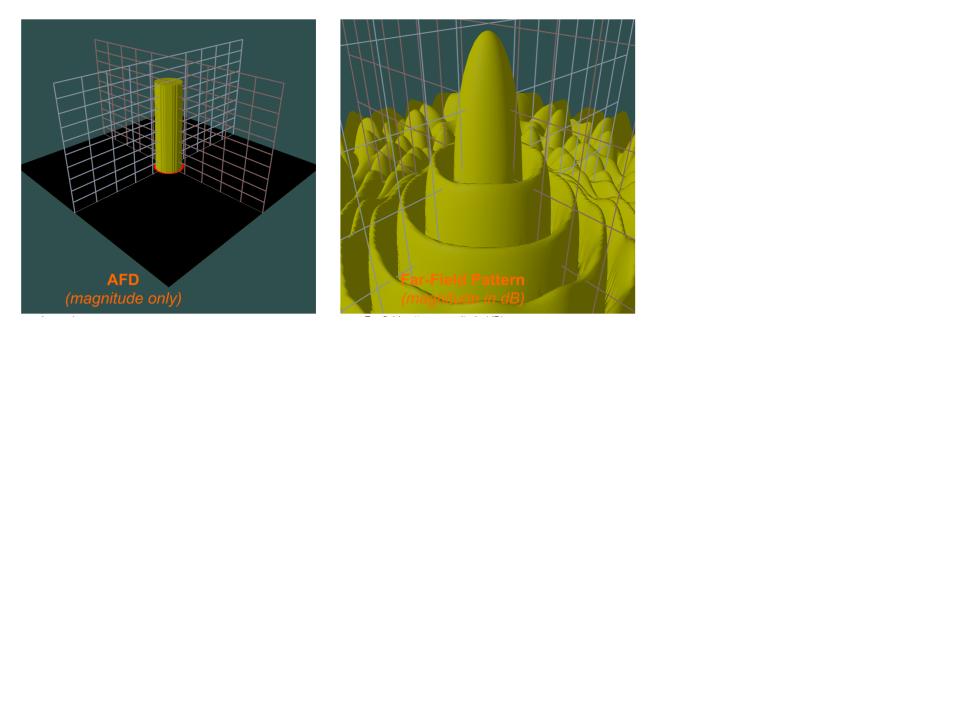
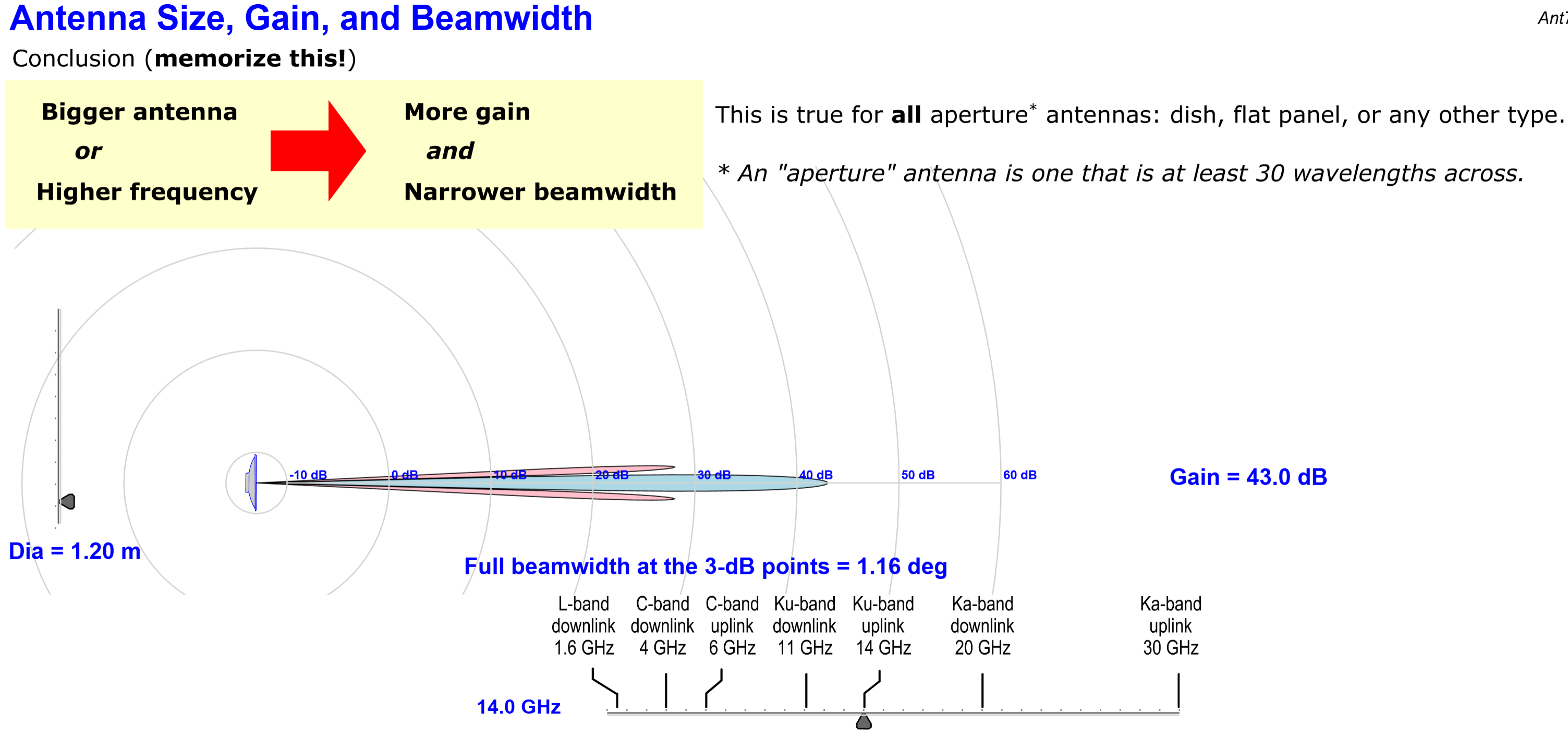
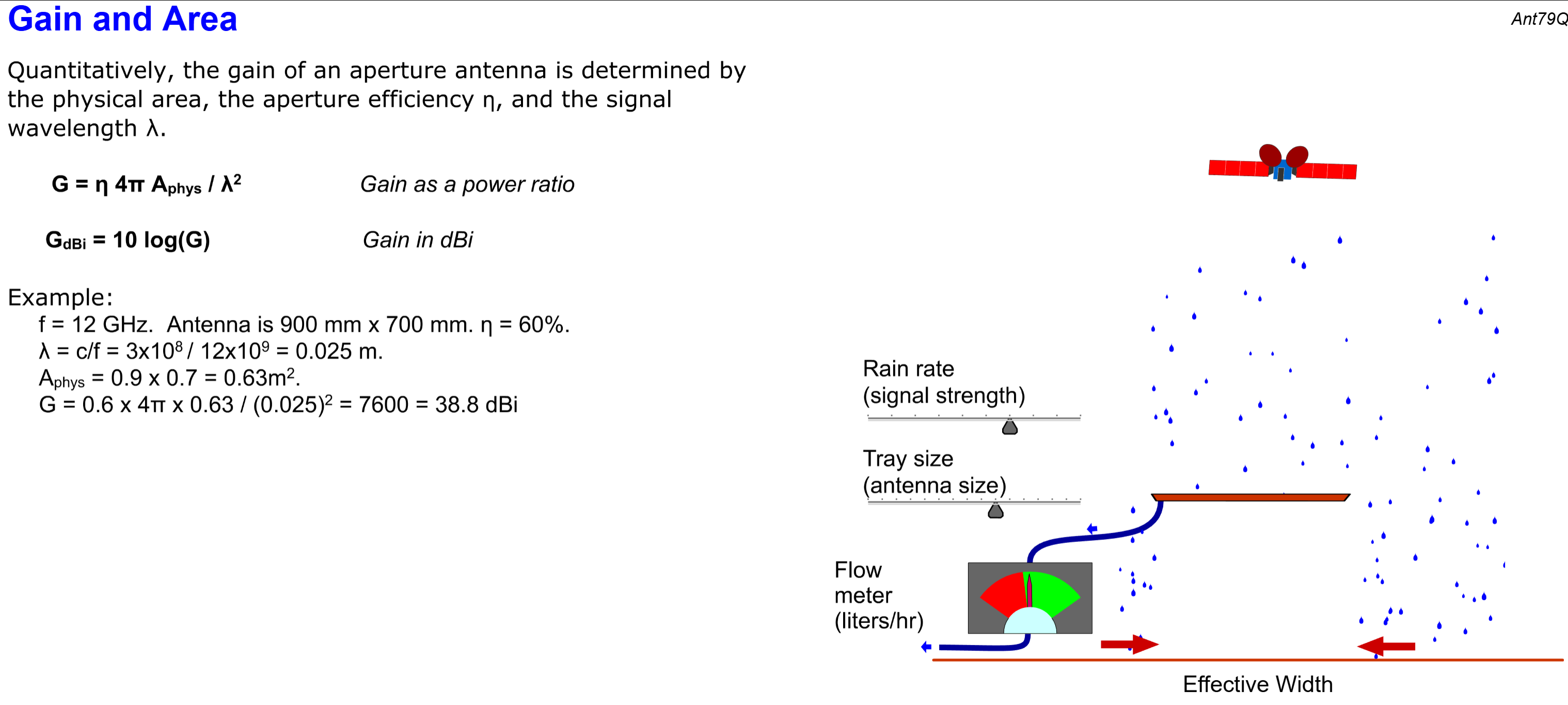
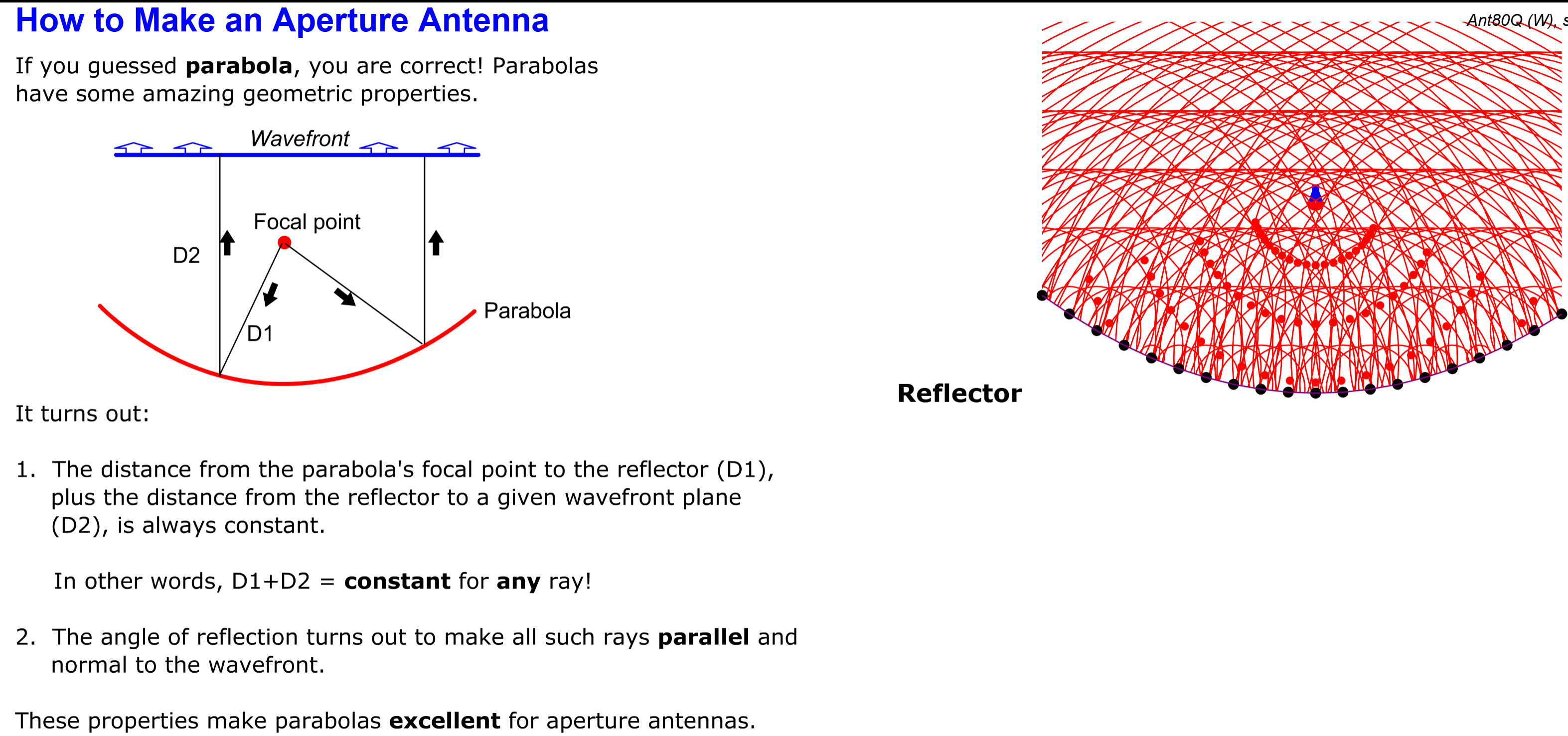
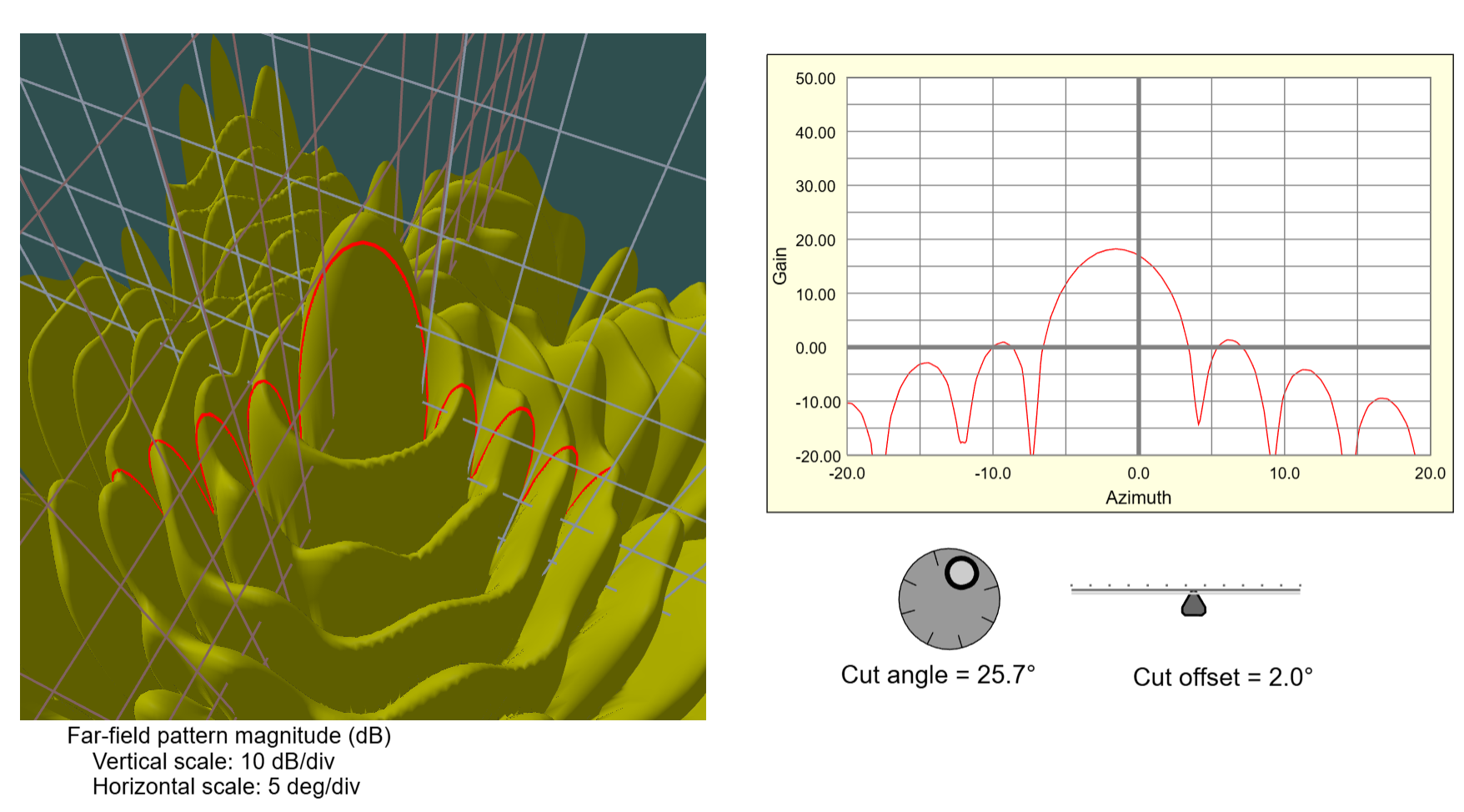
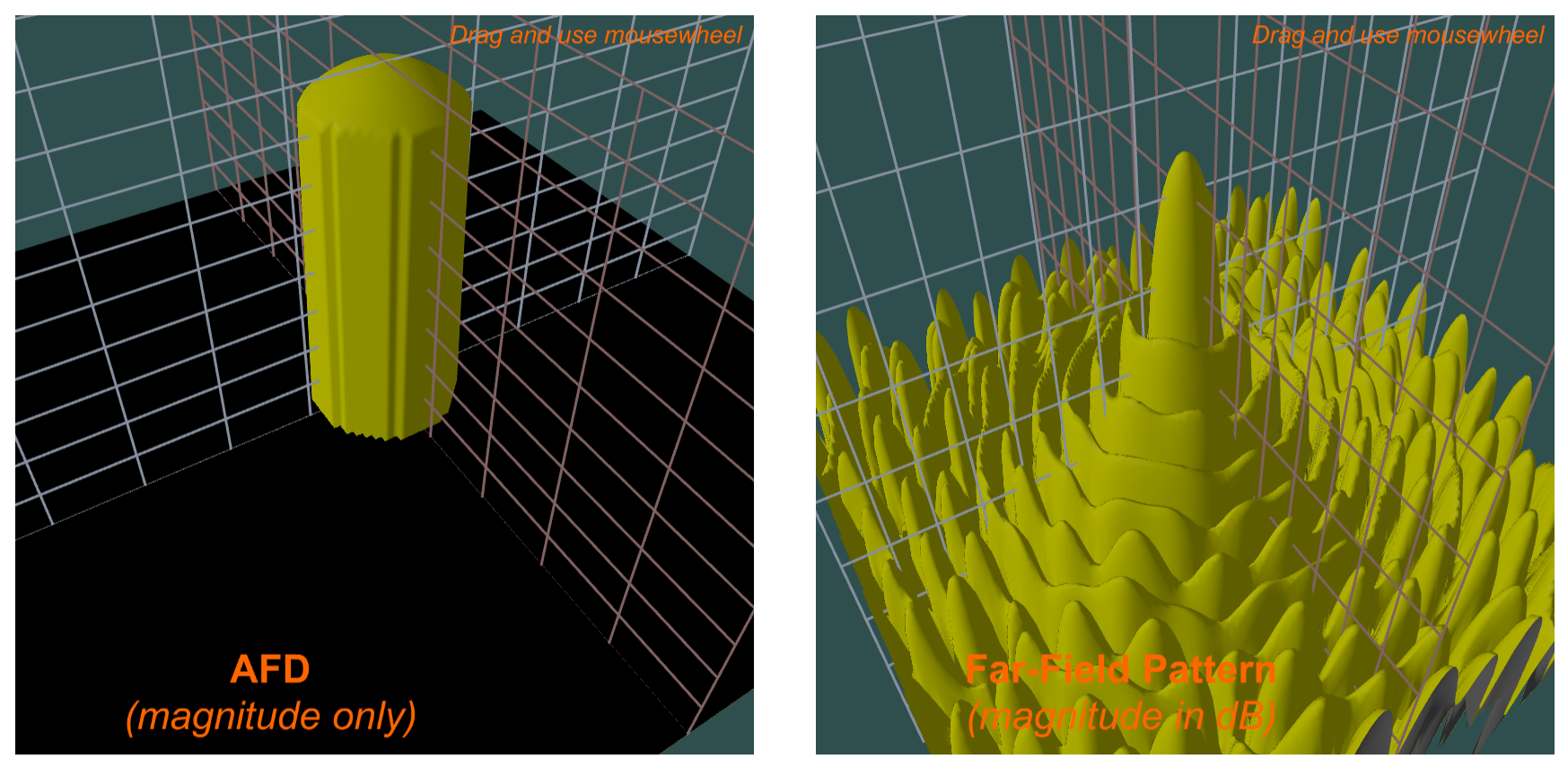
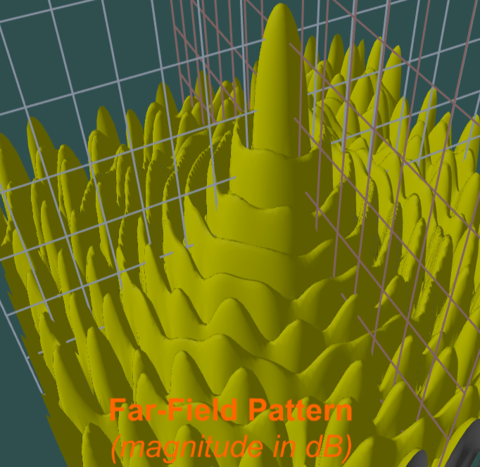
In this lesson we will focus on aperture antennas - antennas that are large enough to form a narrow beam, which is important for most satcom applications. What defines an aperture antenna. Parabolic, non-steerable flat panel, and electronically-steered antennas. Quantifying gain and beamwidth as a function of area, size, and efficiency. Which performance properties are limited by the laws of physics. How phased-array antennas work and why they are fundamentally similar to parabolic antennas. What is Aperture Field Distribution (AFD). How far-field pattern relates to AFD. How patterns are affected by circular, square, rectangular, and elliptical apertures.
- Polarization Theory
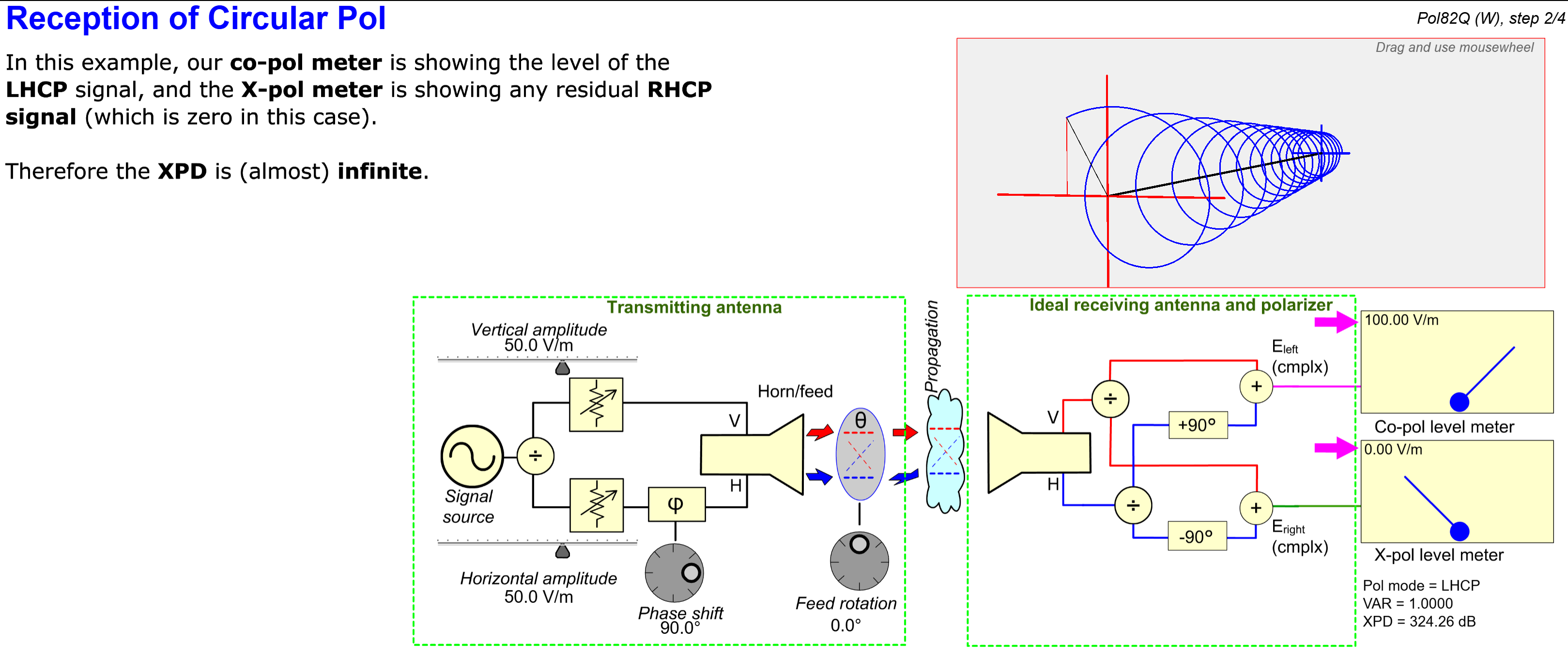
In practice, we think of polarization as either linear or circular, and that they are not compatible with each other. In fact, all polarization is elliptical. Linear and circular are actually special cases of elliptical polarization. In this lesson, we will explore how linearly, circularly, and elliptically polarized signals are made, and how polarization purity affects cross-pol interference. By the end of the lesson, you will understand how polarizers such as 2-port and 4-port linear and circular polarizers and phased array element polarizers are implemented.
- Basic Waveguides and Feed Systems
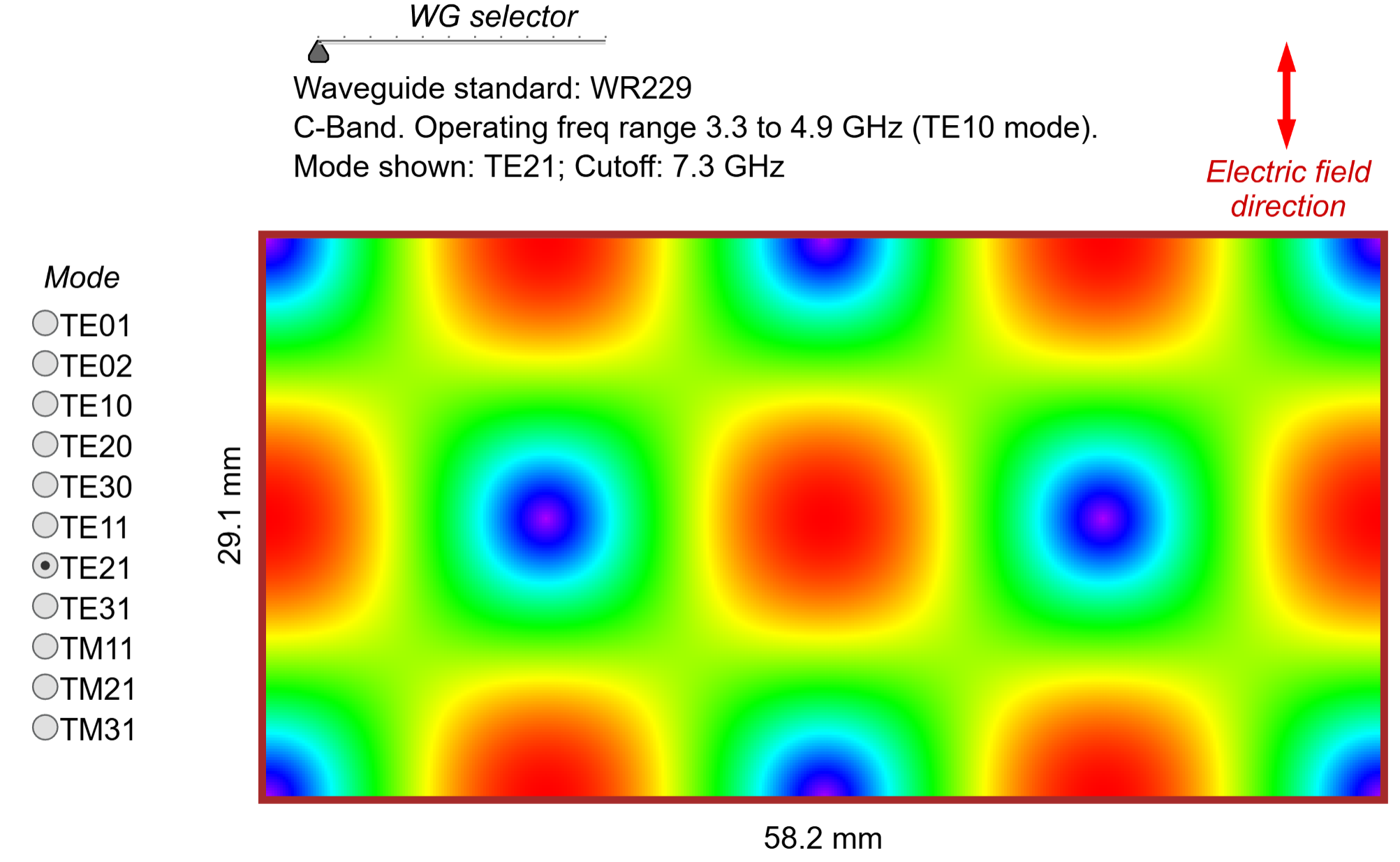
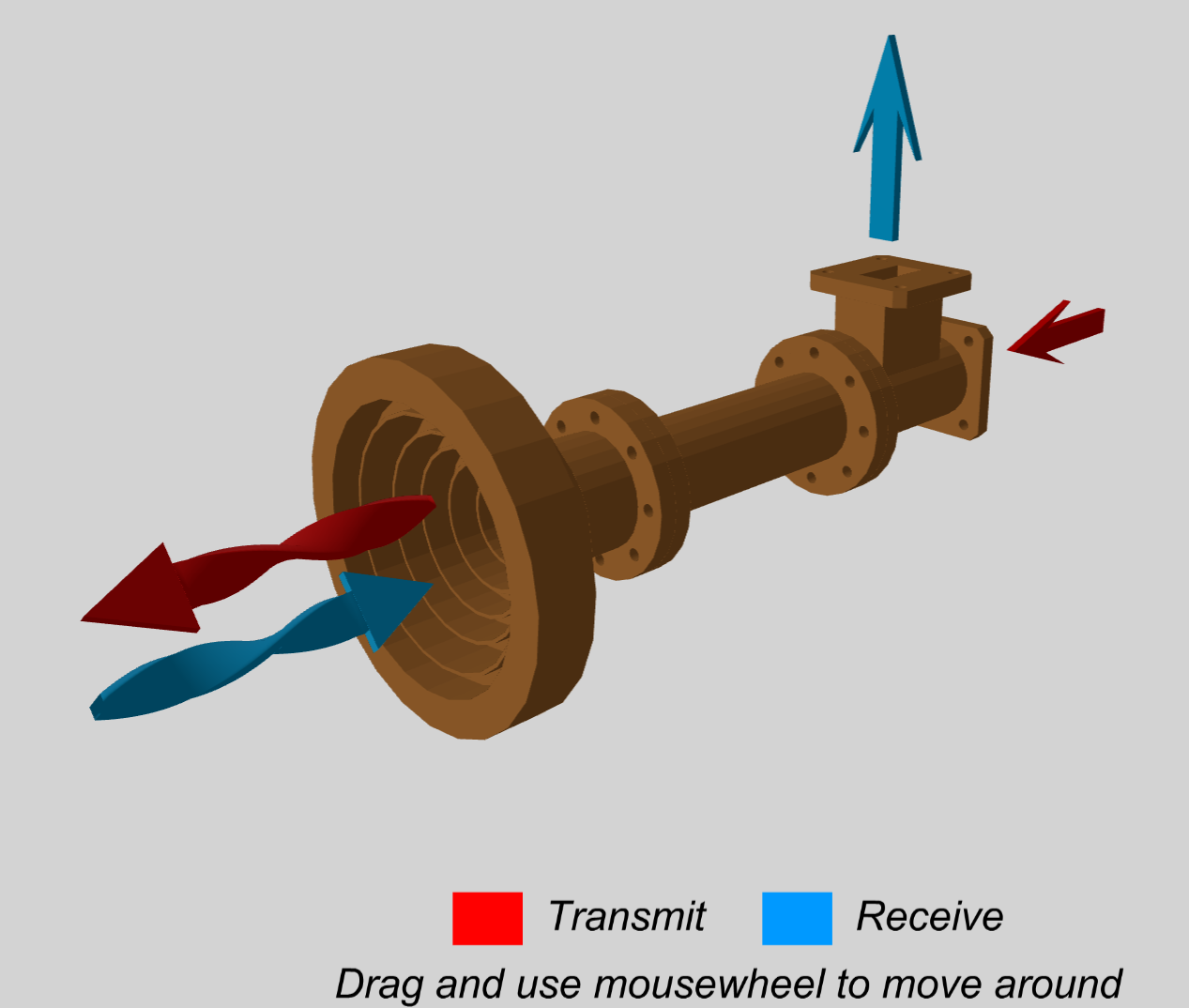
Waveguides are an important element in most satellite antennas. In this lesson, we will learn: What is a waveguide; What are the standard sizes for rectangular waveguides; What are modes and how do they affect how the waveguide is used; What components can be implemented with waveguide, such as bends, filters, terminations, etc.; What are the standards for flanges, which are the connections between waveguides; How feed horns and filters are implemented with waveguides; What a two-port, cross-pol LP feed system is and how to specify one; How advanced combiners, such as for circular pol and with four ports, are specified.
Sample screen shots. (Note that in the course, these are interactive simulators.)